ServicesSurface Preparation and Sanding
Surface Preparation and Sanding in Yonkers
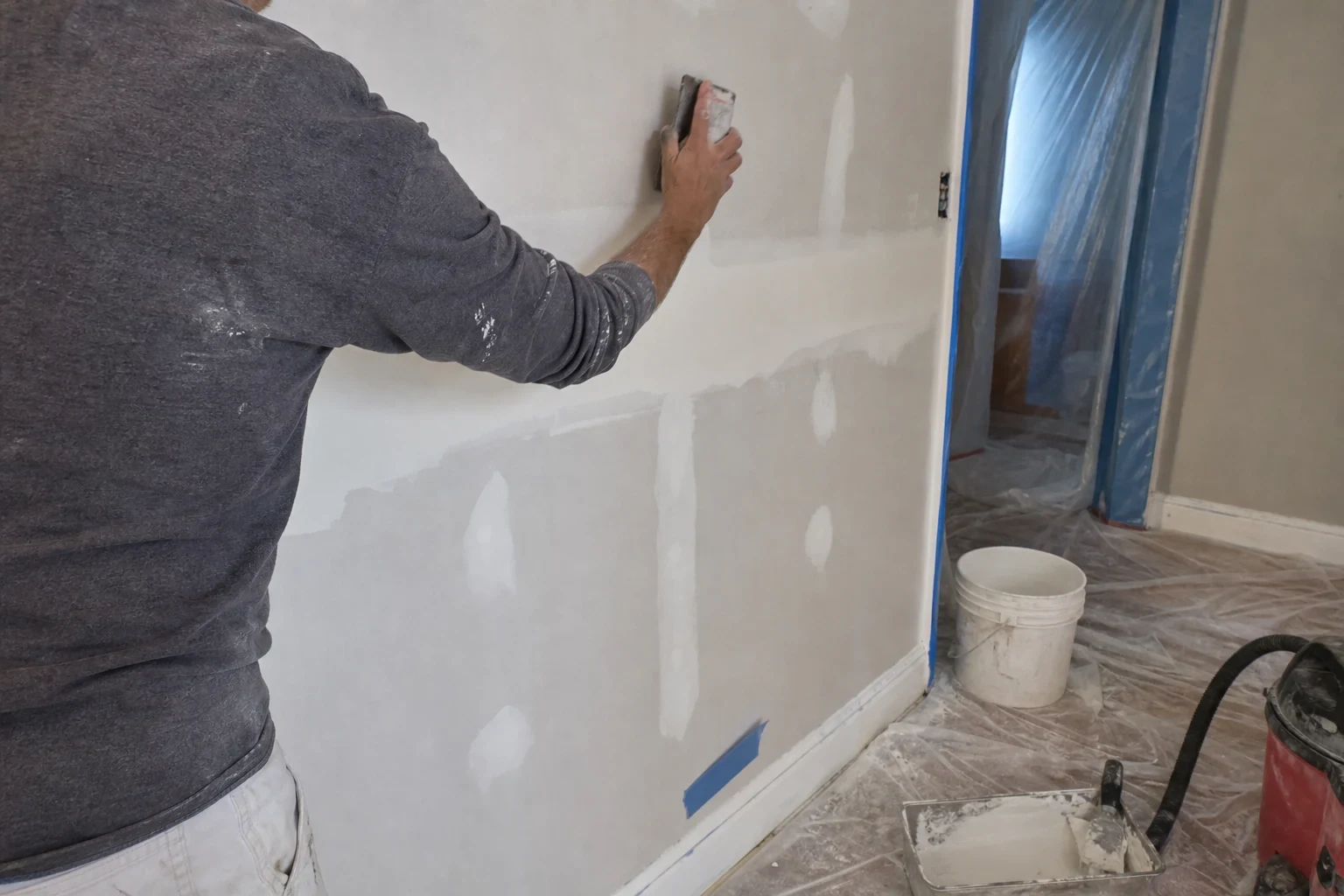
Paint shows everything underneath it. We fill the dents, fix the cracks, skim the rough spots and sand walls and ceilings to a smooth, even surface. We also keep the dust contained, so your room is ready for paint, not for a deep clean.
What good prep does for a wall
Surface preparation is the quiet work between a damaged wall and a finished one. It means scraping loose paint, filling holes and gouges, treating cracks, feathering out old patches and sanding until light falls across the wall without catching on ridges. Skipping it is why a fresh coat can look worse than the old one.
Many houses and older apartment buildings around Yonkers have plaster walls, or plaster covered by layers of paint and earlier repairs. Those surfaces need a different hand than new drywall. We look at what the wall is made of before we choose a filler or a sanding grit, because the wrong product on old plaster can crack again within a season.
This service suits you when you are planning to paint, when a room has picked up years of nail holes and scuffs, or when earlier patches still show through. If the damage goes deeper than the surface, we will tell you, and point you toward our drywall repair or wall repair work instead.
What the work includes
- Scraping and deglossing
- We remove flaking or peeling paint and dull glossy finishes so new compound and primer actually bond. Paint over gloss without this step tends to peel in sheets.
- Filling holes, dents and gouges
- Nail holes, anchor holes, furniture dings and door-knob dents are filled with a compound suited to the wall underneath. Deeper spots get more than one pass so the filler does not shrink back.
- Crack treatment
- Hairline cracks are opened slightly, taped where needed and filled. Simply smearing compound over a crack usually lets it return.
- Skim coating rough areas
- Where a wall has a patchwork of old repairs or a torn paper face, we apply a thin skim coat to bring it back to one even plane.
- Sanding with dust control
- We sand with fine grits and, where possible, vacuum-connected sanders. Floors and furniture are covered and doorways sealed with plastic to keep a clean work area.
- Final check under raking light
- Before we call a wall ready, we hold a work light flat against it. Any ridge or pinhole that shows gets touched up then, not after you paint.
Signs your walls need prep before paint
Old patches still show
A square outline or a raised bump where someone fixed a hole years ago. Paint makes these more visible, not less.
Peeling or bubbling paint
Loose paint has to come off first. Painting over it traps the problem and it peels again.
Fine cracks around doors and windows
These often come from normal movement in the framing. They need proper filling so they do not telegraph through the new finish.
Walls covered in hanger and anchor holes
Common after a tenant moves out or after years of rearranging art. Dozens of small fills add up to a wall that needs a full sand.
Light catches on ridges
If sunlight from a window shows bumps, tape lines or roller texture, the surface needs leveling before any new coat.
How a prep day runs
- 1
Walk-through and testing
We look at each wall, note what it is made of and mark the problem spots. In homes old enough to have lead paint, we talk with you about testing before any sanding begins.
- 2
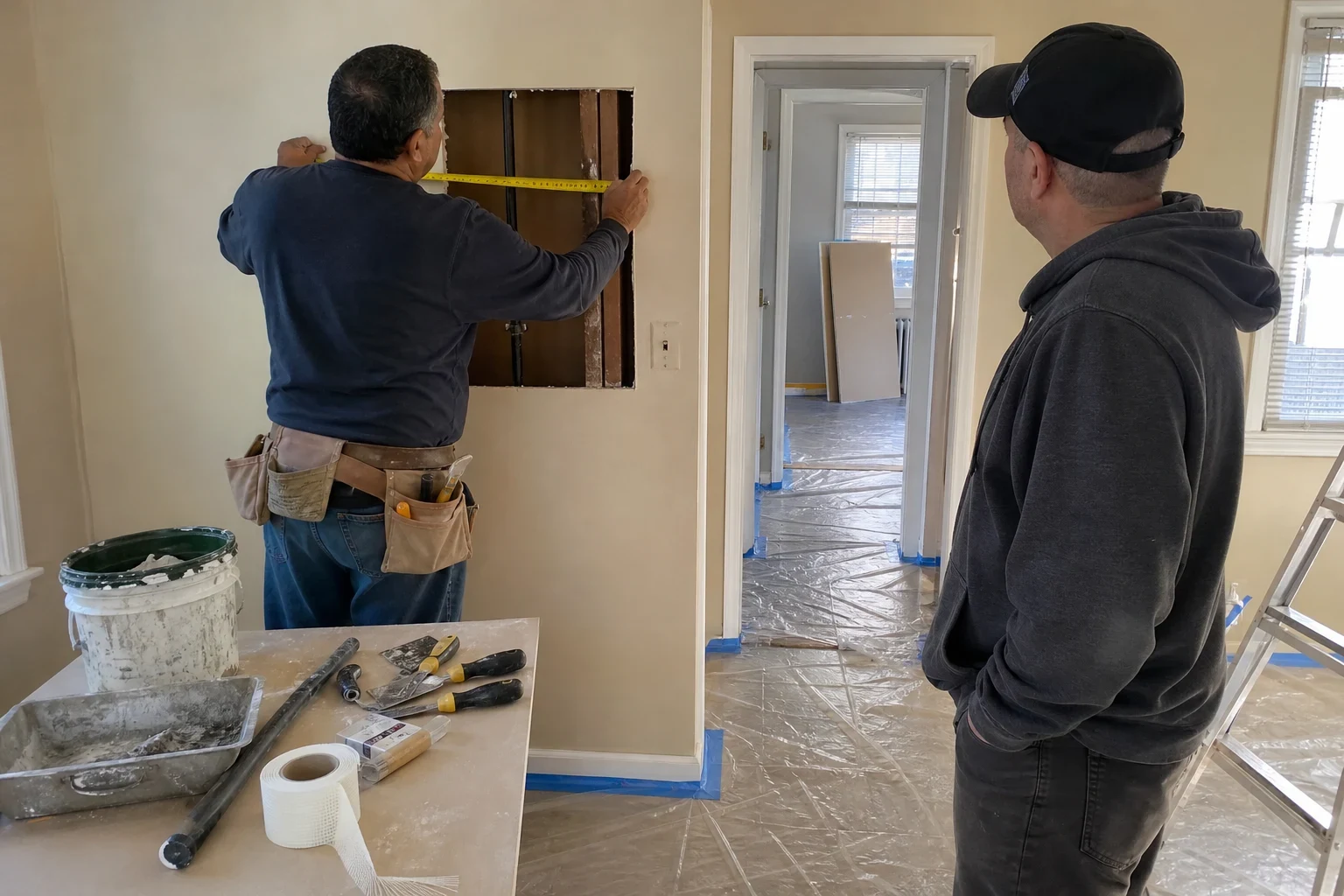
Protecting the room
Floors get drop cloths, furniture is moved or covered and openings are sealed with plastic. Outlet covers and switch plates come off.
- 3
Fill, tape and skim
Repairs go on in thin coats with drying time between them. Humid summer weeks slow drying, so we plan the schedule around it rather than rushing a coat that is still soft.
- 4
Sand and inspect
Each area is sanded smooth, checked with a raking light and touched up where needed.
- 5
Clean up
We vacuum surfaces, wipe down walls to remove fine dust and leave the room ready for primer, for your painter or for our paint touch-ups.
What moves the cost
We price prep by the room and the condition of the walls, not by a flat rate that ignores what we find. After the walk-through you get a clear breakdown by phone so you know what is included before work starts.
- Condition of the surface
- A wall with a few nail holes is quick. A wall with peeling paint, cracks and old patches needs scraping, skim coating and several passes.
- Plaster or drywall
- Older plaster often needs bonding primer and extra care to avoid new cracks, which adds time compared with modern drywall.
- Square footage and ceilings
- More area means more material and labor. Ceilings take longer than walls because the work is overhead.
- Lead-safe handling
- If testing shows lead paint, containment and cleanup steps change, and that affects the time involved.
- Furnished or empty rooms
- An empty room preps faster. A fully furnished room needs more moving and covering.
Questions about surface preparation
Something not covered here? (914) 568-3360
Can I just paint over the holes and cracks myself?
You can, but paint does not fill anything. Small holes stay visible, and cracks usually reopen within months. Proper filling and sanding is what makes the finish look even.
How much dust will there be?
Some fine dust is unavoidable with sanding, but we keep it contained. We seal doorways, cover floors and furniture and use vacuum-connected sanders where we can. At the end we vacuum and wipe down so you are not finding dust for weeks.
Do you paint the walls after prep?
We prepare walls so they are ready for paint and we offer paint touch-ups on the areas we repair. Many customers bring in their own painter once our prep is finished.
How long does it take?
A single room with light damage often takes a day or two, mostly because compound needs time to dry between coats. Heavier skim coating or high humidity can stretch that. We give you a realistic timeline after seeing the walls.
My house is older. Is sanding safe?
If your home may have paint from before 1978, we raise lead testing before we sand anything. Knowing what is on the wall lets us choose the right method and protect your household.
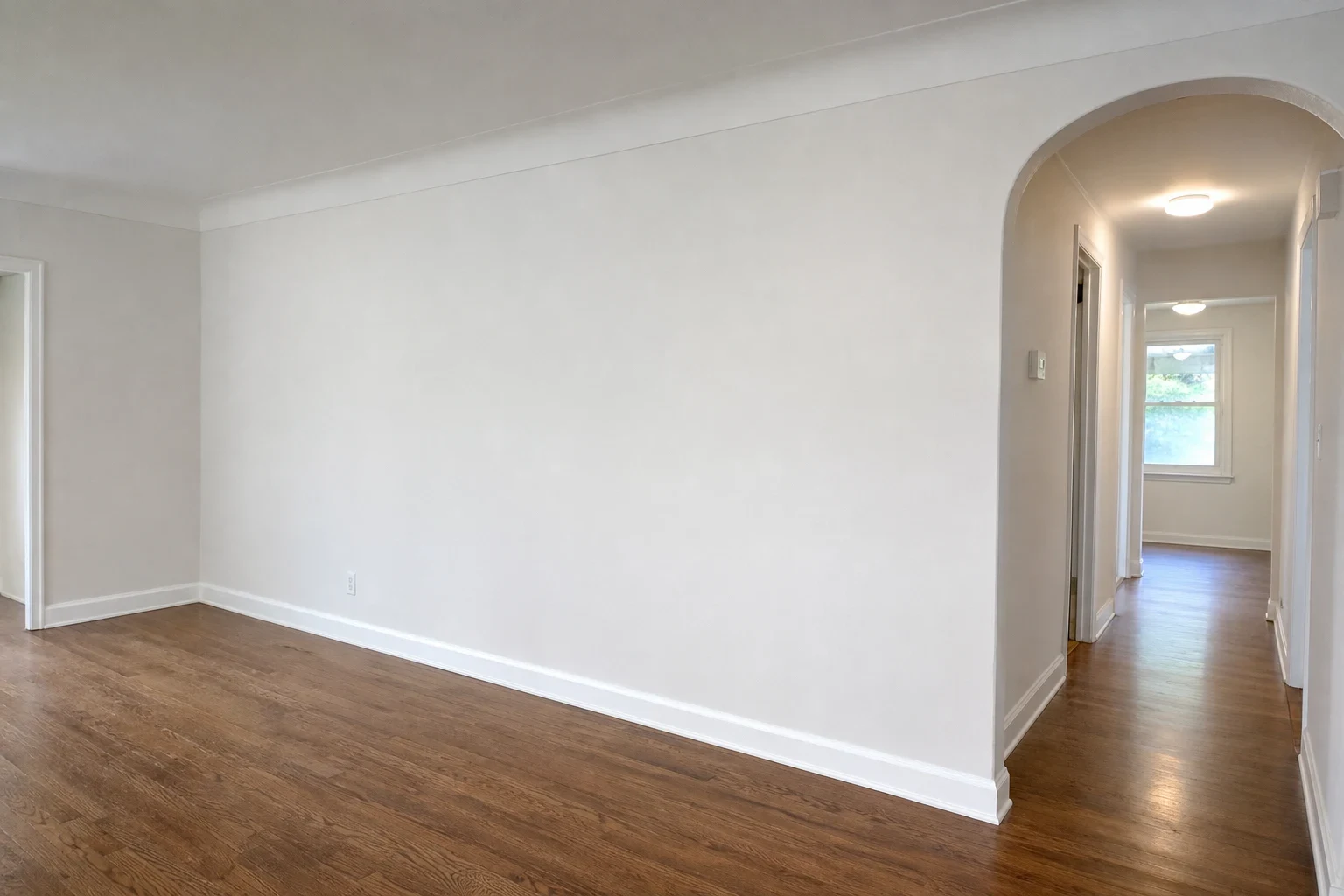
Get your walls ready for a clean finish
Tell us what the room looks like and what you plan to do next. We will explain what prep it needs and walk you through your quote by phone.