ServicesPaint-Ready Walls
Paint-Ready Wall Preparation in Yonkers
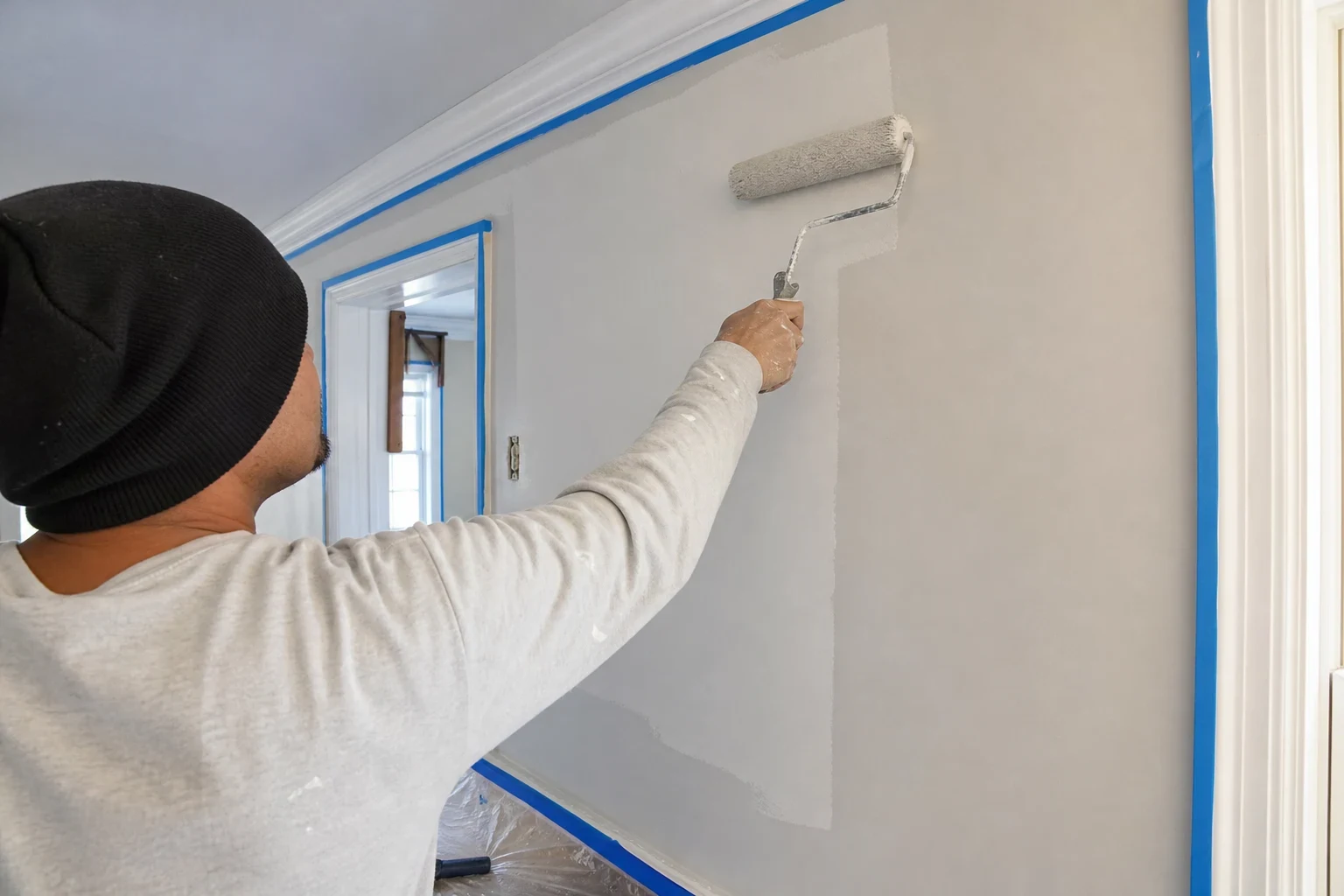
New paint shows every flaw underneath it. Before a room is painted, we repair the drywall, finish the seams, sand the surface flat and prime the patches. That way the color you choose goes on evenly and stays that way.
The work that decides how a painted wall looks
Most disappointing paint jobs fail before the first coat. A patch that was never feathered out, a seam that still shows tape, or a bare spot of joint compound that soaks up paint differently will all telegraph through a fresh finish. Flat and eggshell sheens hide a little. Satin and semi-gloss hide almost nothing.
Our part is the wall itself. We repair holes and cracks, rebuild damaged corners, finish and sand the drywall, and seal repairs with primer so the surface takes paint at one even rate. Once we hand the room back, it is ready for you or your painter to roll the color on.
Many Yonkers homes mix original plaster with later drywall additions, and the two surfaces behave differently under paint. We blend the transitions so the wall reads as one plane.
What paint preparation includes
- Hole and crack repair
- Nail pops, anchor holes, doorknob dents and stress cracks are opened, filled and taped where needed. Small fixes are covered in more depth on our Drywall Patching page.
- Seam and corner finishing
- We re-tape lifted joints and straighten dinged outside corners with new bead when the old one is crushed or rusted.
- Feathered compound and sanding
- Repairs are built up in thin coats and feathered wide, then sanded with fine grit and checked with a raking light held low against the wall.
- Texture matching
- Where a wall or ceiling has a knockdown, orange peel or hand-applied texture, we match it over the repair so the patch disappears once painted.
- Primer on repaired areas
- Fresh compound is porous. We seal it with a drywall primer so the finish coat does not flash or dry dull over the patches.
- A clean work area
- Floors and furniture are covered, sanding dust is contained and vacuumed, and the room is left ready for paint.
Signs your walls need work before they are painted
Shiny or dull spots under old paint
Earlier patches that were never primed show as blotches when light crosses the wall. A new coat will repeat them.
Visible tape lines
If you can see the outline of seams, the joints were under-finished or the tape has started to lift.
Hairline cracks that come back
Cracks above doors and windows often reopen with the swing from humid summers to dry, heated winters. They need tape, not just caulk or filler.
Bumps from nail pops
Small round lumps in rows mean fasteners have backed out. We reset them with screws before refinishing.
Peeling or bubbling paint
Paint lifting off a wall usually points to a surface that was dusty, glossy or damp when it was painted, and it has to be scraped and prepared again.
How a preparation job runs
- 1
Walkthrough and quote by phone
You describe the rooms and what you see, and we talk through the likely scope. We confirm details on site before any work starts.
- 2
Protect and repair
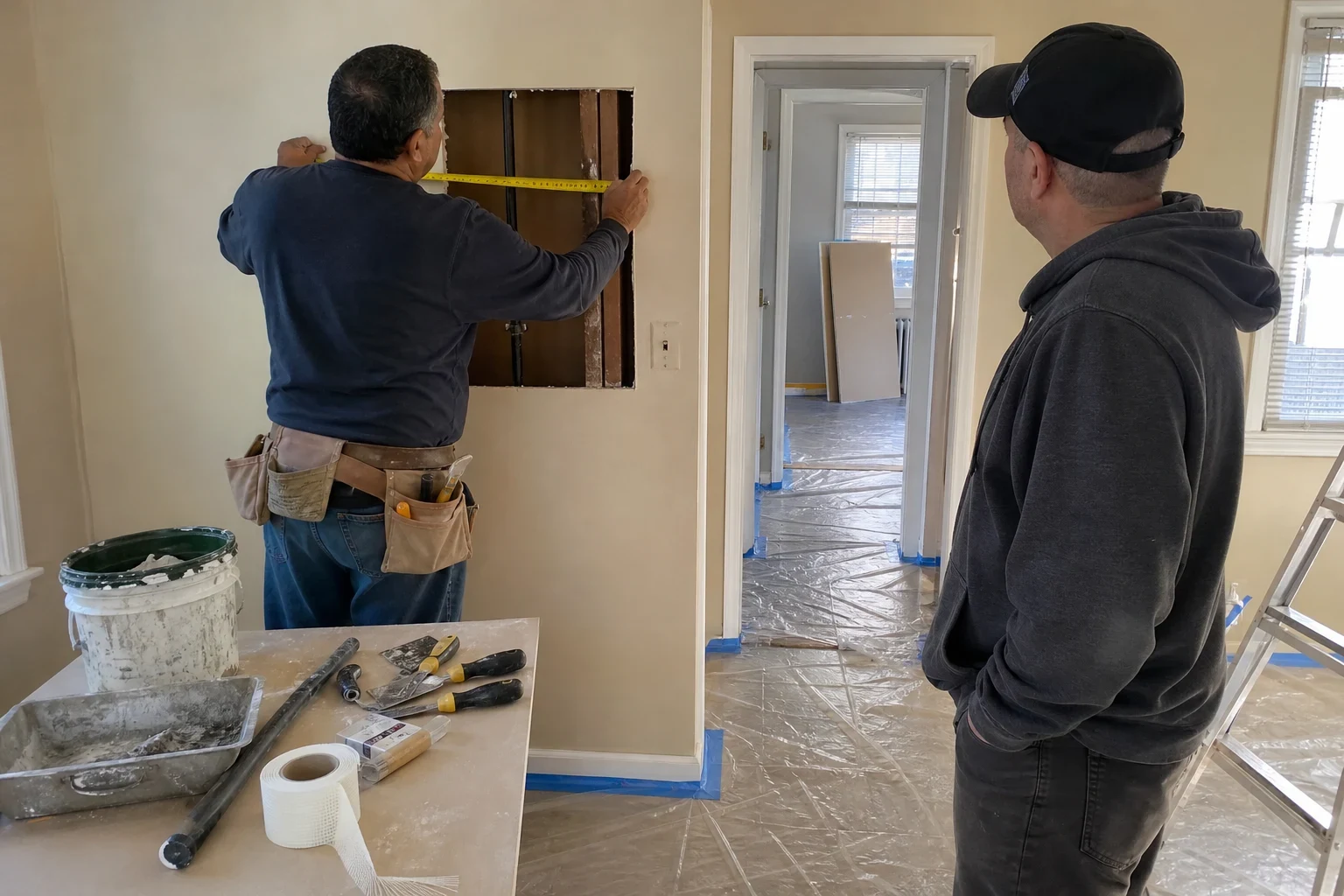
We cover floors, move or wrap furniture and mask outlets. Then we fix damage, tape seams and apply the first coat of compound.
- 3
Build, dry and sand
Compound goes on in thin layers with drying time between them, which is why many rooms take more than one visit. Final sanding is checked with a work light from several angles.
- 4
Prime and hand back
Repairs are primed, dust is cleaned up and we walk the room with you. Small spots on finished walls can be handled through our Paint Touch-Ups service.
What affects the price of paint preparation
Every room starts in a different condition, so the price follows what the walls need rather than the square footage alone. We explain each line of the quote so you know what is being fixed and why.
- Amount of damage
- A few nail holes is a short job. Long cracks, water-stained sections or torn paper facing take more material and time.
- Wall surface and age
- Plaster, drywall and older patched walls each need different repair methods, and transitions between them take extra care.
- Target sheen
- Glossier paints reveal more, so walls headed for satin or semi-gloss need a higher level of finish.
- Ceilings and access
- Tall ceilings, stairwells and furnished rooms add setup time and protection work.
Questions about getting walls ready for paint
Something not covered here? (914) 568-3360
Do you paint the whole room?
Our work covers the drywall and surface preparation up to primer. We leave the room ready so your finish coats go on clean. For small blemishes on walls that are already painted, our Paint Touch-Ups service is the right fit.
Why can't my painter just fill the holes?
Some painters do a quick fill, and for minor holes that can be fine. Cracks, failed seams and texture matching need drywall finishing skills and multiple coats with drying time. That is where we come in.
How long before the walls can be painted?
Once primer is dry, usually the same day we finish, the walls can take paint. Damp or cold rooms slow drying, so we tell you when the surface is ready.
Will there be a lot of dust in my home?
Sanding makes dust, so we contain it. We cover floors and furniture, close off the work area where we can and vacuum before we leave.
Do I need a permit for this work?
Repairing and finishing drywall surfaces generally does not call for a permit. If we find something during the job that might, we will tell you before going further.
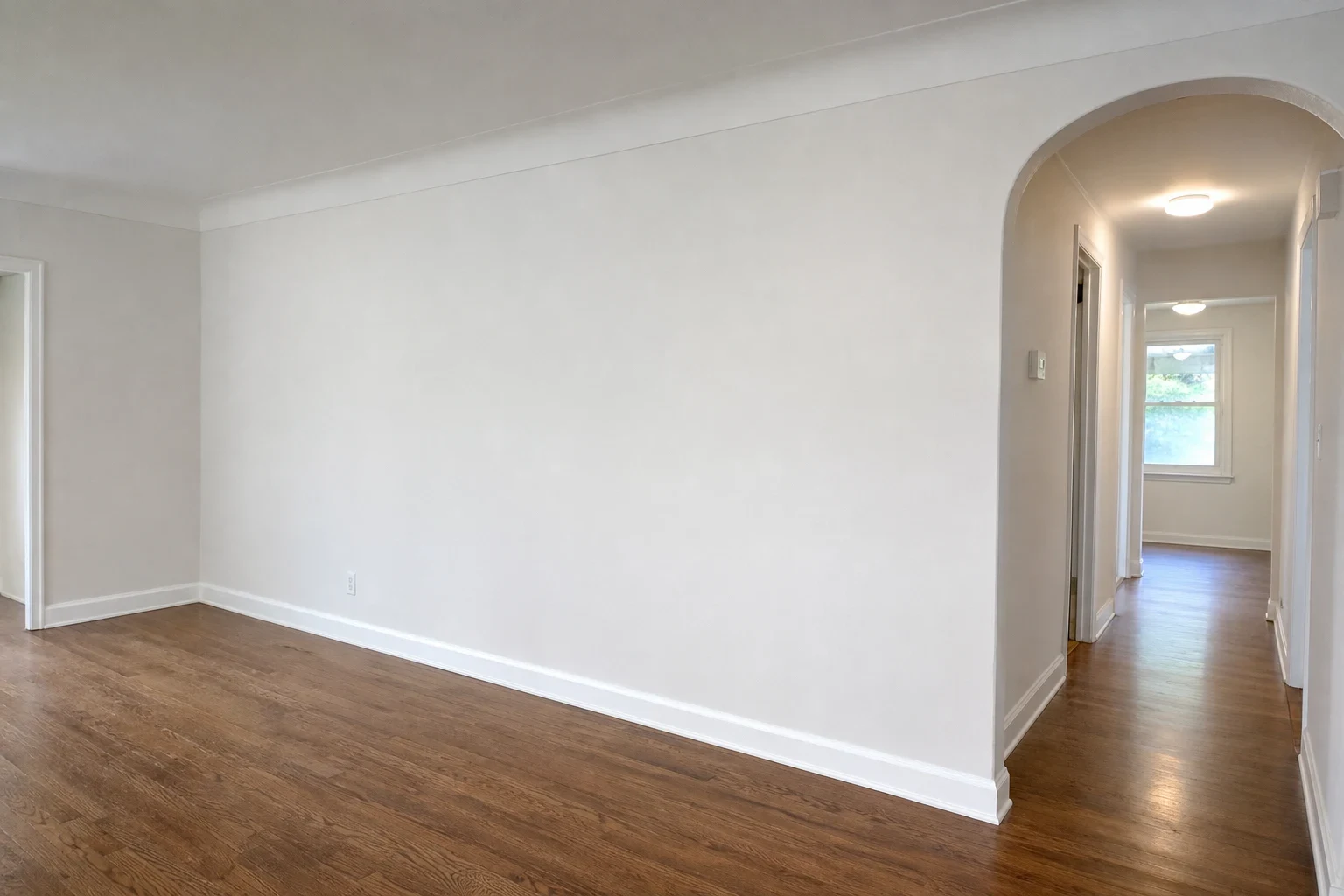
Get the walls right before the color goes on
Tell us which rooms you are planning to paint and what the walls look like now. We will talk through the repairs and give you a quote by phone.